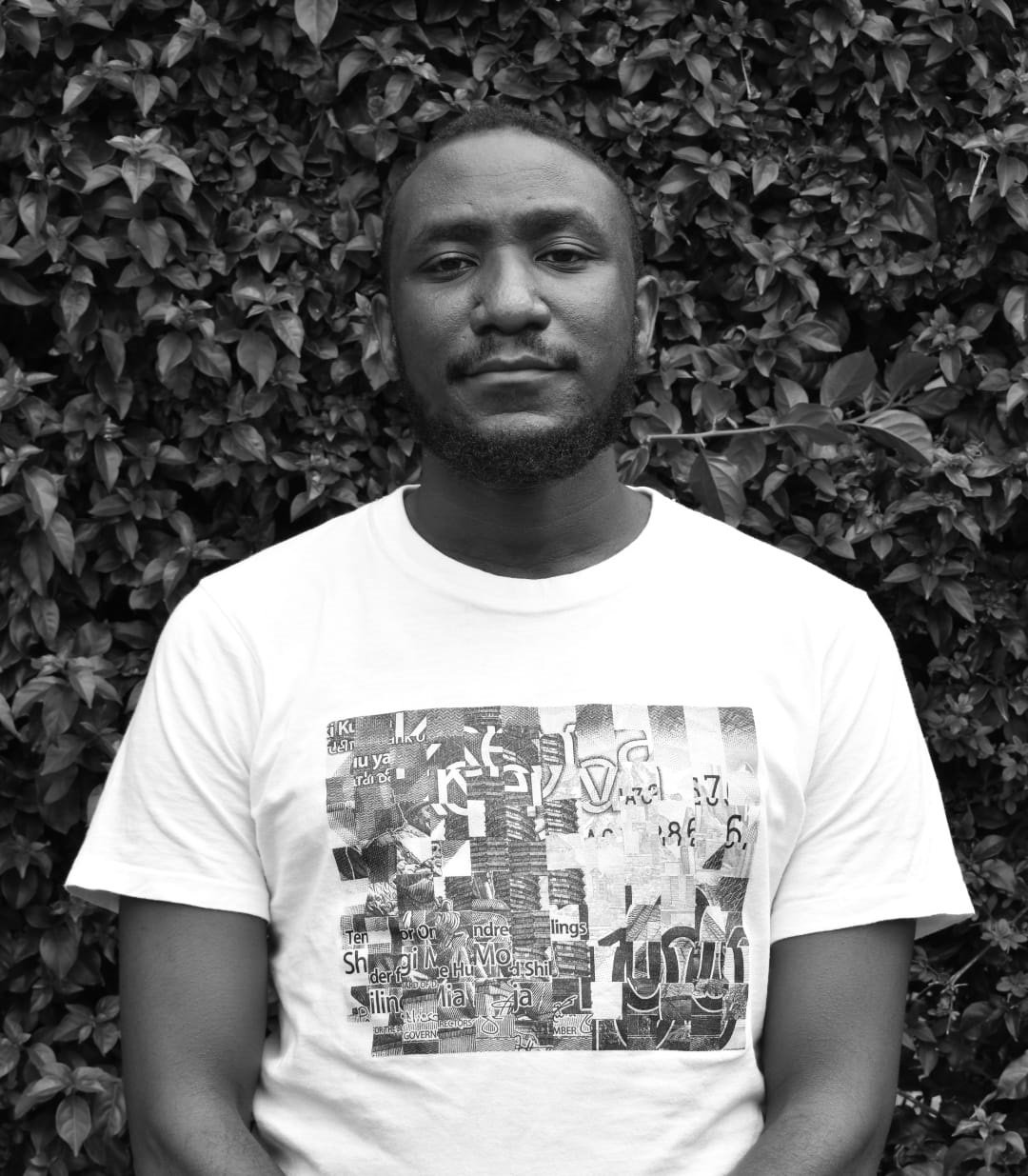
Quest: Derrick Munene on His Current Solo Show at Peponi Hotel, Lamu
Lamu has long been a getaway for artists, dealers, and collectors. Today, the island is increasingly emerging as an alternative to Nairobi’s art ecosystem, as more artists, dealers, and collectors establish roots on the island to live, create, collect, and invest in the arts.
Lamu has long been a getaway for artists, dealers, and collectors. Today, the island is increasingly emerging as an alternative to Nairobi’s art ecosystem, as more artists, dealers, and collectors establish roots on the island to live, create, collect, and invest in the arts.
With more creatives and art enthusiasts acquiring property, establishing artist residencies, and supporting cultural initiatives, Lamu is steadily developing into an important creative hub in its own right—offering a slower, more intimate environment for artistic exchange and experimentation.
Against this evolving artistic landscape, Peponi Hotel continues its commitment to supporting artists through its exhibition programme, offering artists an opportunity to exhibit their work and make sales without exhibition fees or commission.
Currently on view is a solo presentation of collages by Kenyan artist Derrick Munene. In this conversation, Derrick shares insights into his current exhibition at Peponi, discussing the ideas, experiences, and inspirations behind the works.
Enjoy the conversation.
Tewasart Africa: Does the current exhibition at Peponi Hotel have a title that captures or sums up the body of work you are presenting?
Derrick Munene: Quest is a personal search for home, identity, and belonging. Growing up in Meru and later moving to the city, I returned home years later to find that everything had changed. This made me question what home truly means when the memories we hold no longer match the present.
Through this exhibition, I explore my roots, the emotions of returning home, and the importance of understanding where we come from in order to understand ourselves better. I also look beyond colonial narratives of history, seeking to understand how our communities lived, governed themselves, and understood their world before colonialism.
Tewasart Africa: For someone encountering your work for the first time, how would you describe your recent body of work?
Derrick Munene: I would like viewers to first engage with and question each element I have chosen, from the colours to the backgrounds of each piece. I invite them to observe how intricate layers come together to form a single image or object. Ultimately, I want the body of work to be experienced as a continuous story, with each piece contributing to a larger narrative.
Tewasart Africa: You explore pop culture through portraiture and figurative styles. What inspires this approach, and what draws you to these subjects?
Derrick Munene: I am deeply captivated by human behaviour and social norms. I enjoy observing people and paying attention to the small details that reveal their habits, personalities, and ways of interacting with the world. Through careful observation, I explore the subtle characteristics that make each individual unique. I use portraits and human figures in my work because they create a sense of familiarity and relatability. Emotions and personal narratives can be communicated through the eyes, clothing, gestures, and body posture, allowing the viewer to connect with the subjects on a deeper level.
Tewasart Africa: What is the story behind the maps that appear in some of your backgrounds?
Derrick Munene: Maps are visually compelling objects that carry layers of information about place, landscape, and human activity. They can reveal how an area has developed, what communities cultivate, the nature of the soil, and the relationships between different regions. In my work, I use maps as both a visual and conceptual tool to explore geopolitics and the connections between places. By combining different geographical areas, I create new relationships and narratives that allow me to engage with issues such as labour migration, global conflicts, and internal political dynamics.
Tewasart Africa: Collage is a distinctive and highly engaging medium. How did you arrive at collage as your primary medium? Have you explored other mediums in your artistic practice?
Derrick Munene: I began using paper collage almost by accident. One day, after running out of paint, I turned to paper as an alternative medium and was drawn to the results. Since then, collage has become the primary medium in my practice, allowing me to continue exploring its possibilities through texture, layering, and composition. While paper collage remains central to my work, I also continue to use paint and am currently expanding my practice through printmaking, particularly lino printing.
Tewasart Africa: Could you briefly take us through your journey as an artist? At what age did you decide to pursue art professionally, and did you receive any formal training?
Derrick Munene: My artistic journey began with a passion for drawing at a young age, which later led me to study Interior Design at the Technical University of Kenya. In 2018, I joined the renowned Dust Depo Studio under the mentorship of the late Patrick Mukabi, an experience that played a significant role in shaping and developing my artistic voice.
Tewasart Africa: What advice would you give to artists who are interested in exploring collage as a medium?
Derrick Munene: My advice is to remain open-minded and embrace the creative process without being limited by rules. Allow yourself the freedom to explore, experiment, make mistakes, and discover new possibilities. Most importantly, enjoy the process and have fun with it.